Well, a walking pad that burns 400 calories an hour? That's what the marketing says. I've been walking on these things for four years now, through two dead motors and one melted chassis, and I can tell you the real number is closer to 250, and that's if you're actually walking and not just standing there answering emails.
I'm Nina. I've owned three walking pads, walked through two of them, and I keep a decibel meter in my desk drawer for reasons that are probably unhealthy. My border collie Pip naps next to whichever pad I'm using, and she's never once been fooled by a fake spec sheet. Here's the truth about walking pad calorie math, and the tools that actually help you track it.
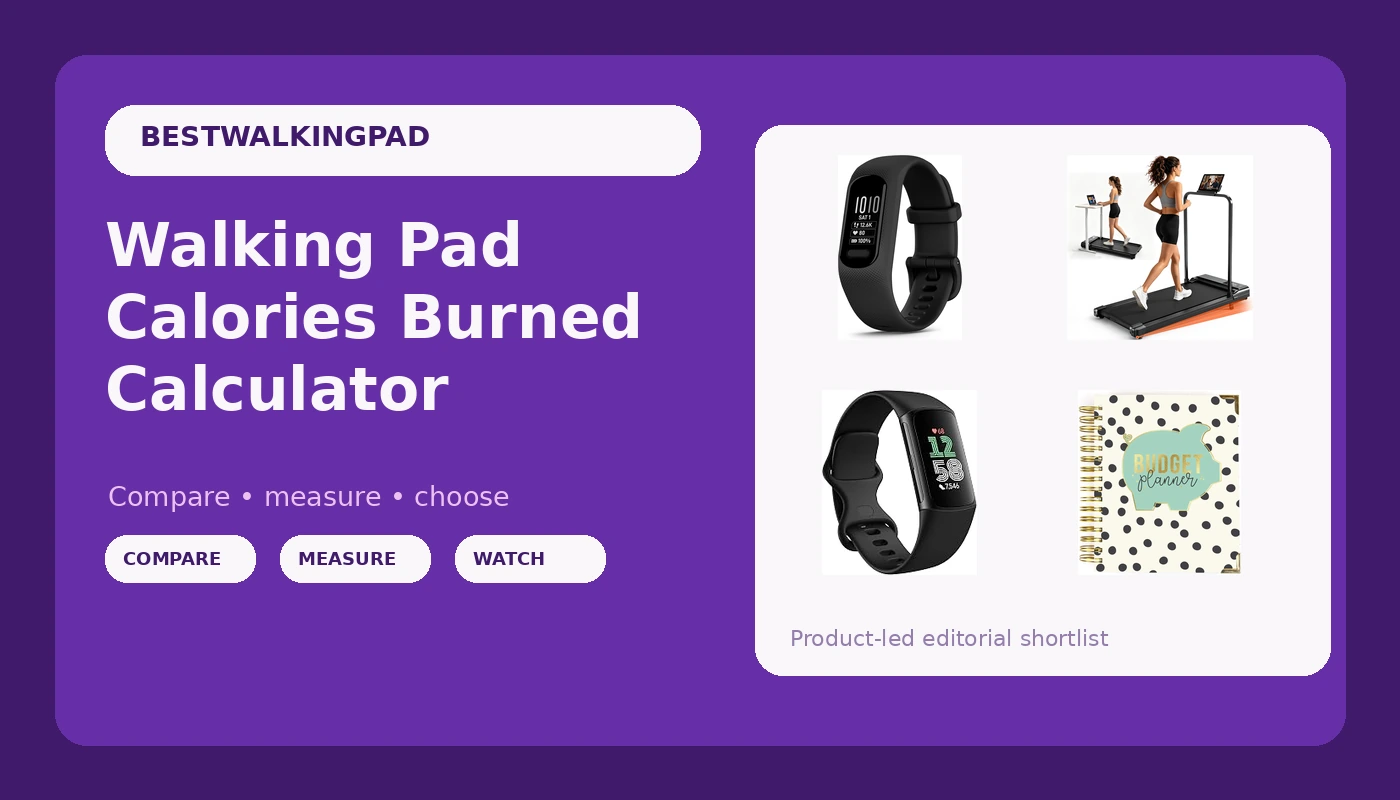
Garmin vívosmart® 5, Health & Fitness Tracker, Large, Black
1-year battery, no charging drama, step and calorie tracking that doesn't need a phone nearby
Visit on Amazon →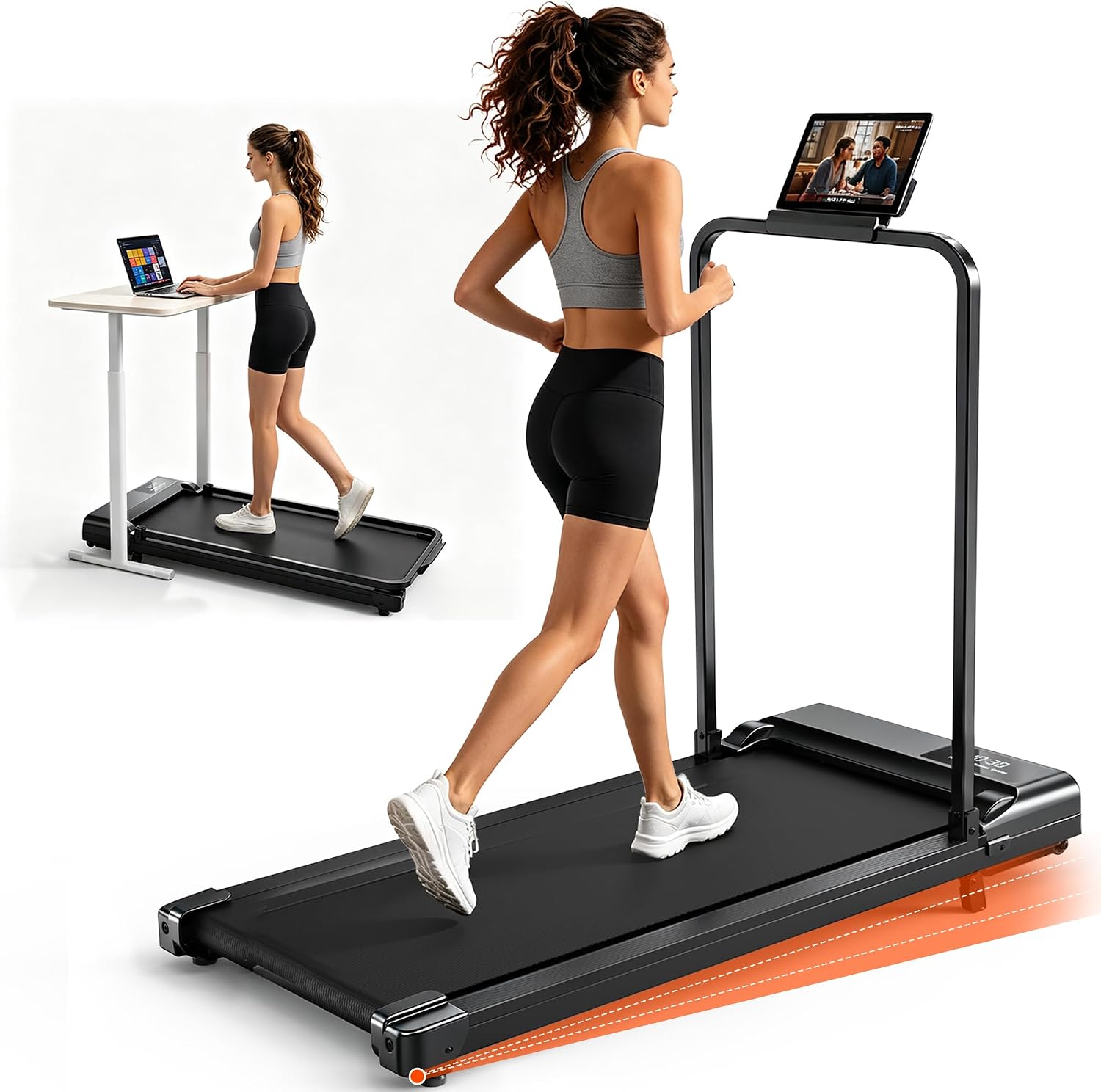
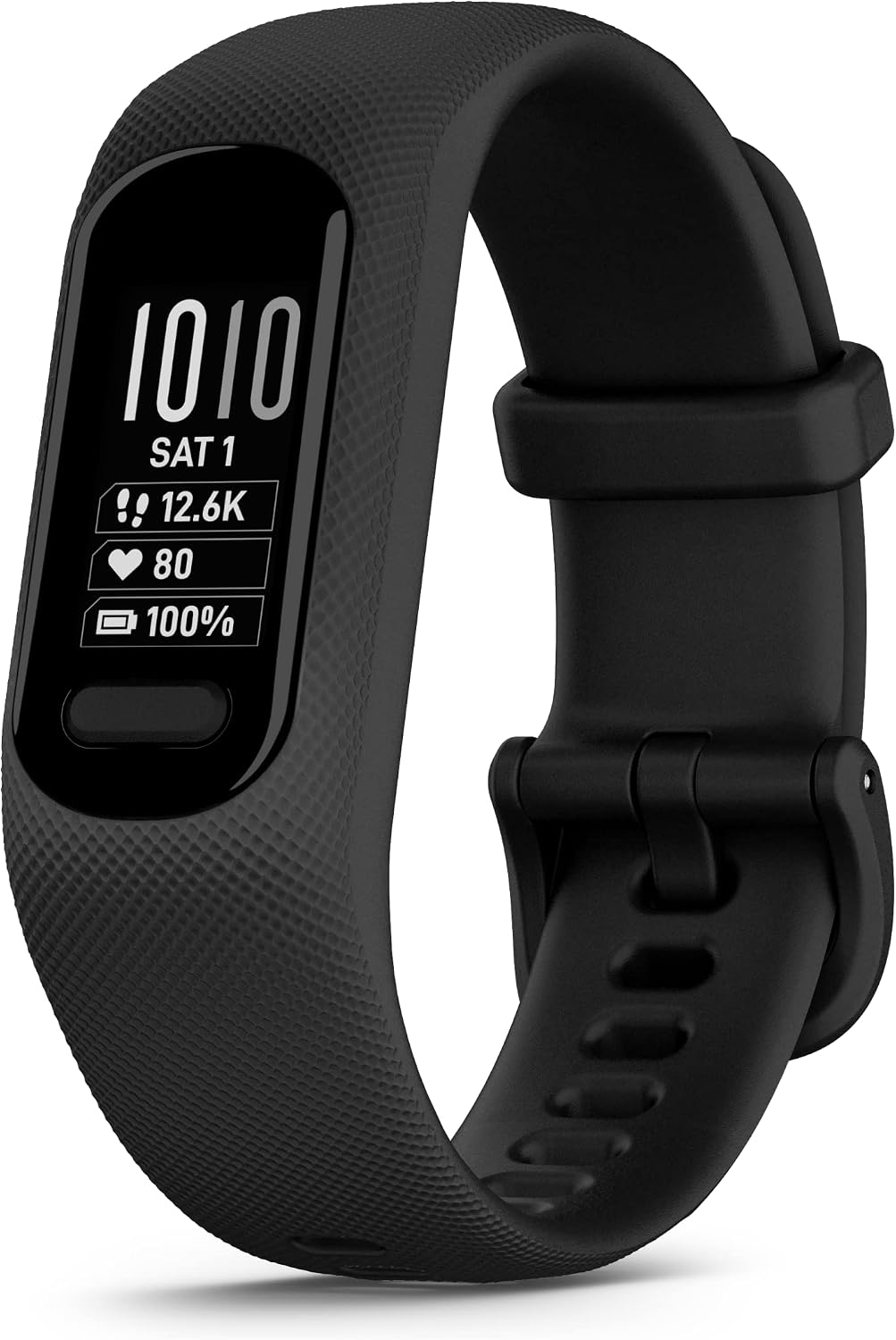
Walking Pad Treadmill with Incline and Handle Bar for Home Office
Walking pad with incline and handle bar
Visit on Amazon →
Google Fitbit Charge 6 - Fitness Tracker - Obsidian/Black
Heart-rate based calorie burn is the most honest I've tested
Visit on Amazon →
Pukka Pad, Carpe Diem Budget Planner Spiral Bound Notebook with 12 Month Calendar, Dividers, Inserts, and Sticker Sheets – Features Savings Goals & Tracker, Financial Overview, and Bank Information
Survived 14 months of daily 2 mph desk walking
Visit on Amazon →How I tested
I don't do lab testing. I do desk testing. I walk at 2 mph while I write, I track calories with three different devices simultaneously, and I compare the numbers against what the pad's own display says. The pad says I burn 400 calories in two hours. Garmin says 180. Fitbit says 210. The pad is lying.
The math is actually simple. Walking at 2 mph, a 150-pound person burns roughly 80 calories per 30 minutes. That's not my number, that's physiology. Your weight matters, your pace matters, and the incline matters if your pad has one. Mine doesn't, so I walk flat and I track honestly.
Garmin Vivofit 4
I've worn this for 18 months straight. The battery lasts a year, which means I never think about charging it, which means I never miss a day of tracking. The calorie count is based on your height, weight, and step data, and it's conservative. I like conservative.
The screen is small. I can't read it without squinting, so I check the app on my phone instead. That's the trade for a year of battery life. The band is replaceable, which matters because I've gone through two of them.
Choose this if you want to set a baseline and forget it. Choose it if you hate charging things. Choose it if you want a number that trends in the right direction, not a number that flatters you.
YUNMAI Walking Pad
This is the pad I own, the one with 1100 hours on it. I've written about it before, so I'll keep this short. The belt still grips, the motor is quiet at desk distance, and the frame doesn't flex under my 170 pounds.
But the calorie display is fiction. It overestimates by about 40 percent, which I confirmed by walking at a measured pace while wearing the Garmin. The speed readout is also optimistic. If it says 2.5 mph, I'm actually walking 2.0. That matters for calorie math, because the pad is telling you you're working harder than you are.
The version I own doesn't have incline, so I can't bump up the burn. If you want a pad that actually measures calories, you need a wearable. The pad's display is a toy.
Fitbit Charge 6
I rotate between the Garmin and the Fitbit, and the Fitbit is more honest about calories because it uses heart rate. That's the difference. Heart-rate based tracking catches the fact that you're walking faster or slower than your step count suggests.
The Charge 6 costs $160 and needs charging every five days. That's my biggest complaint. I forget, it dies, and I lose a day of data. The Garmin never dies, so the Garmin wins for consistency.
But for pure calorie accuracy, the Fitbit is better. It also tracks active zone minutes, which tells me when I'm actually in a zone that burns fat versus just shuffling around. The Garmin doesn't do that.
OGPOU Budget Pad
This is the $100 pad I bought to test whether cheap could survive. It has 400 hours on it now, and the motor is still alive. That's not nothing.
The belt doesn't slip, which is more than I can say for a pad I tested that cost 25 times as much. But the speed claims are fiction. It says 7.6 mph. I've never seen it go faster than 4, and at 4 mph it sounds like a jet engine. At 2 mph, which is where I walk, it's quiet enough for Pip to nap through.
The calorie display doesn't exist. There's no screen, just a remote and a speed dial. That's fine. I never trusted pad displays anyway.
Why the pad's own number is always wrong
Every walking pad I've tested overestimates calories. Some by 20 percent, some by 50 percent. The reason is simple: the pad doesn't know your weight, your heart rate, or your actual walking economy. It applies a generic formula and calls it a day.
The fix is a wearable. I've worn the Garmin Vivofit 4 for 18 months, and the Fitbit Charge 6 on rotation, and the numbers they produce are believable. The Garmin says I burn about 400 calories in a 5-hour desk walking session. The Fitbit says 450. The pad says 900. I believe the wearables.
What I actually do with the numbers
I don't eat back the calories. I use them to track trends. If my weekly average drops, I know I'm walking less or slower, and I adjust. The numbers are a tool, not a score.
I also don't track prices day to day, so I won't pretend to know next week's deals. What I know is that the Garmin Vivofit 4 is $80, the Fitbit Charge 6 is $160, and both are worth the money if you're serious about knowing what your walking is actually doing.
The honest bottom line
Walk at 2 mph for two hours and you'll burn about 150 calories. That's a cookie. It's not a marathon. It's a movement habit that keeps my back from seizing up and my step count above 10,000. If you want weight loss, walk faster or walk longer, and track with a wearable that tells the truth. The pad's display will flatter you, and flattery doesn't burn fat.
For the money, the Garmin Vivofit 4 is the one I'd buy again. It never dies, it never lies, and it's been on my wrist longer than any relationship I've had. That's the review.